Introduction
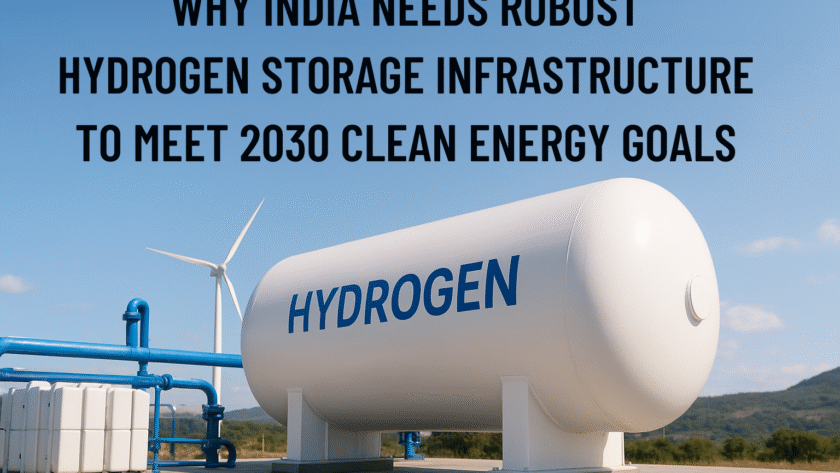
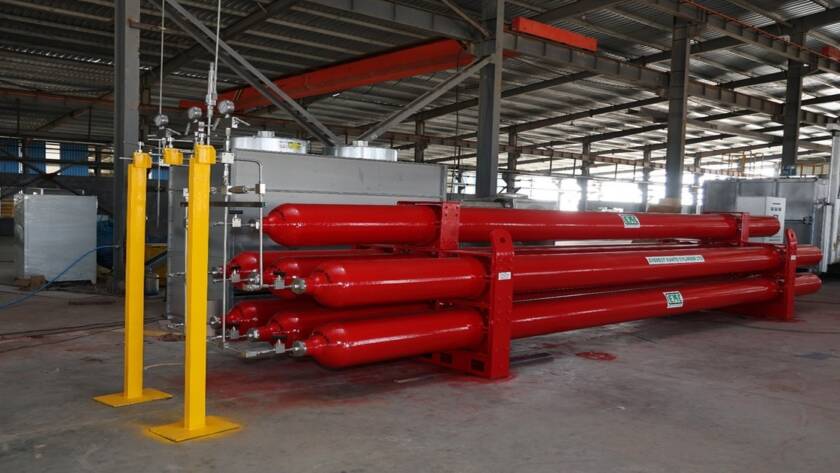
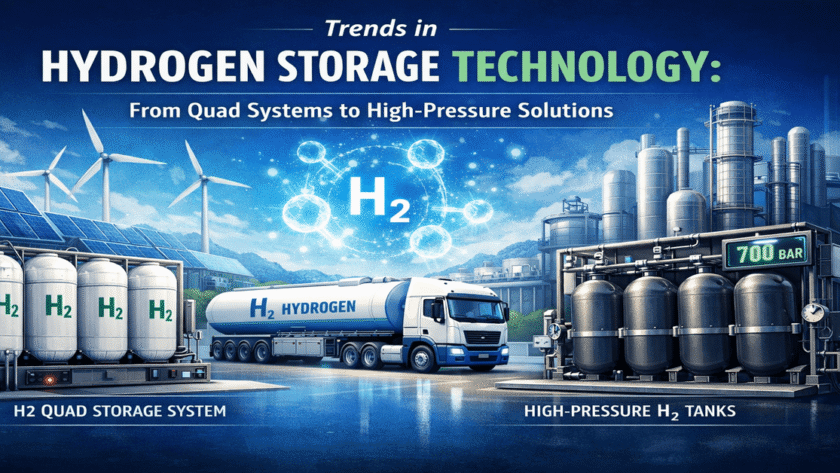
As hydrogen solidifies as a cornerstone of the global clean energy transition, efficient and safe storage remains a critical technological priority. From industrial gas suppliers to hydrogen fueling infrastructure, storage systems ensure operational reliability, transportation efficiency, and regulatory compliance. Over the past decade, hydrogen storage has evolved from traditional cylinder bundles and quad systems…
Introduction
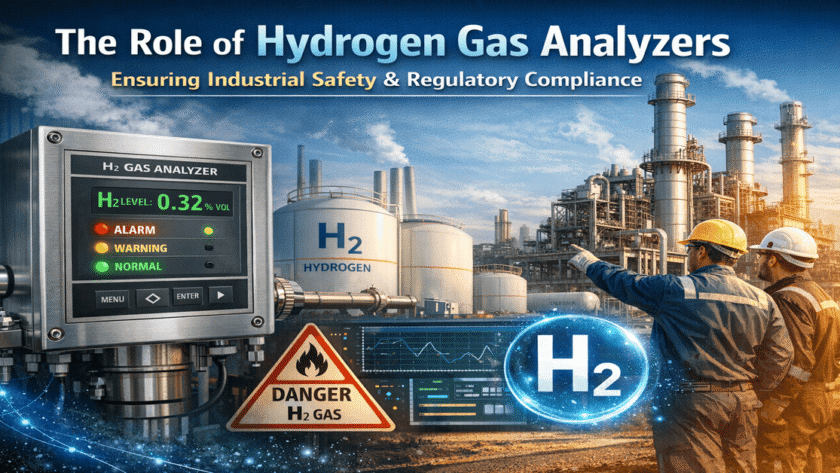
Hydrogen is rapidly becoming a cornerstone of modern industry and clean energy initiatives, from refineries and chemical manufacturing to power generation and fuel cell systems. However, its unique properties—highly flammable, colorless, and odorless—make it one of the most challenging gases to monitor safely. Even small leaks pose significant risks of fires, explosions, operational disruptions,…
Introduction
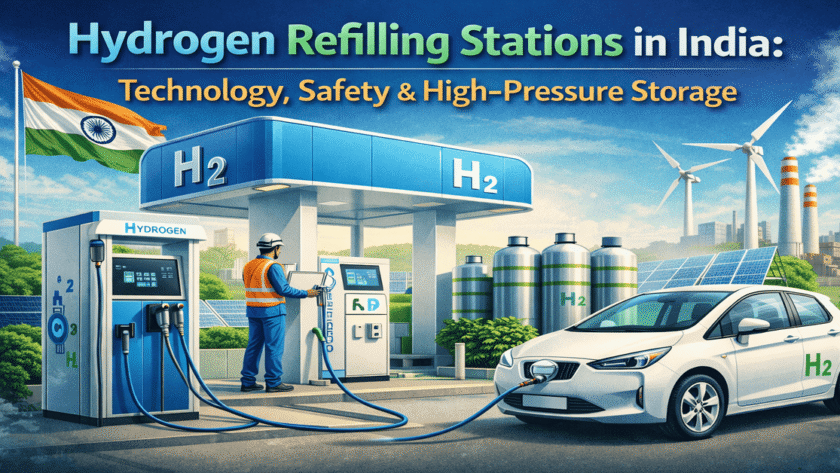
As India accelerates its transition toward a low-carbon economy, hydrogen is emerging as a key clean fuel for decarbonising transport, industry, and energy systems. While green hydrogen production is scaling up under the National Green Hydrogen Mission (NGHM), the success of hydrogen mobility depends heavily on one critical infrastructure element: hydrogen refilling stations. Hydrogen…
Introduction
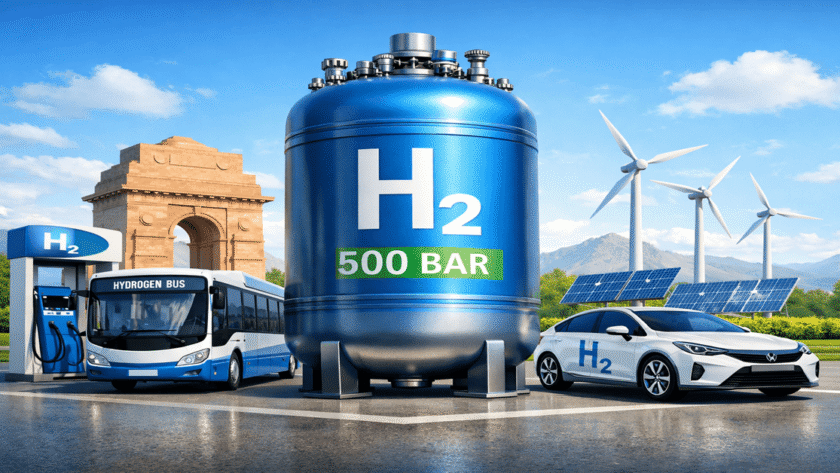
India’s clean mobility transition is accelerating rapidly as the country looks beyond conventional fuels to meet its net-zero and energy security goals. While electric mobility dominates passenger transport, hydrogen is emerging as the preferred clean fuel for heavy-duty mobility, including buses, trucks, railways, and long-haul logistics. A key requirement for hydrogen mobility is high-pressure…
Introduction
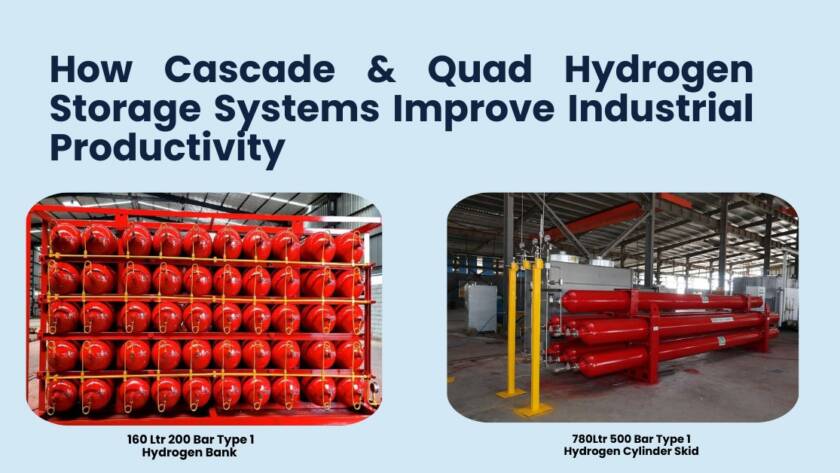
As hydrogen adoption accelerates across industries, efficient storage and delivery systems are becoming just as critical as hydrogen production itself. While traditional single-bank storage solutions often struggle with pressure losses, downtime, and uneven gas availability, cascade and quad hydrogen storage systems offer a smarter, more productive alternative. By optimizing pressure utilization, reducing refilling time,…
Introduction
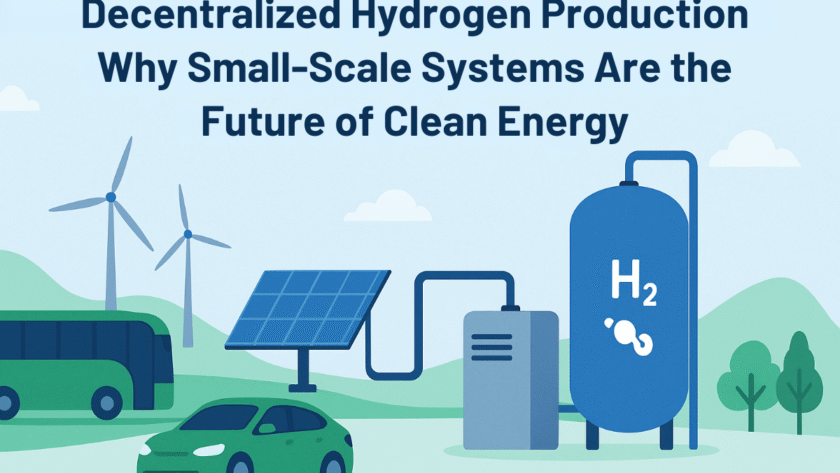
As the world shifts toward a low-carbon future, hydrogen emerges as a cornerstone of clean energy strategies. While centralized production has dominated, decentralized small-scale systems are gaining traction for their flexibility, resilience, and efficiency—delivering green hydrogen near industrial, community, or transport demand points. In India, with abundant renewables but grid challenges in remote areas,…
Introduction
As hydrogen adoption expands in mobility, industry, and clean energy, safety of storage and refilling infrastructure in India is a national priority. Hydrogen cylinders—used in vehicles, backup power, and industrial applications—store gas at very high pressures, typically 350–700 bar for refueling stations. This necessitates rigorous testing, inspection, and certification to ensure public safety, avoid…
Introduction
As India accelerates its clean energy transition, hydrogen has emerged as a cornerstone of the nation’s strategy for decarbonization. With ambitions to achieve net-zero emissions by 2070 and interim renewable energy targets by 2030, hydrogen is increasingly seen as a key enabler across industries, transport, and power generation.
However, one critical challenge threatens to…
Introduction
As India scales up green hydrogen under the National Green Hydrogen Mission, setting up reliable hydrogen refilling stations (HRS) is critical for clean mobility and industrial decarbonisation. At the core of every HRS is high-pressure stationary storage — and Type 1 500 bar cylinders provide a pragmatic, proven solution for refuelling stations, depot systems,…
Introduction
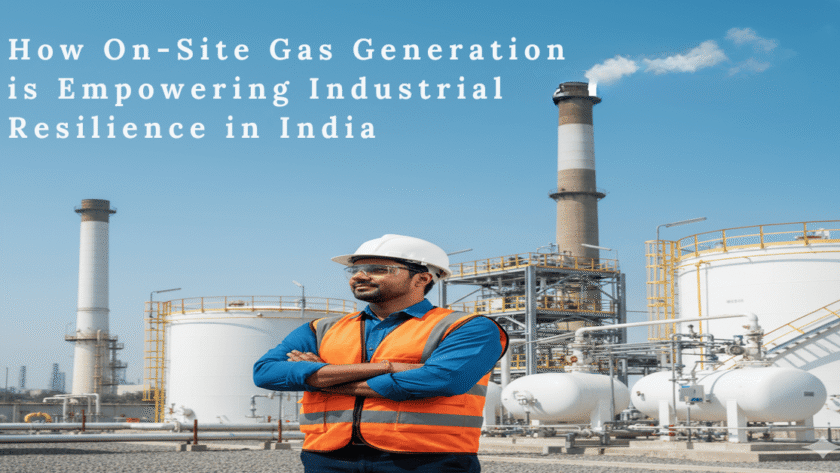
In today’s volatile industrial landscape, resilience has become the new benchmark for success. Indian industries face challenges ranging from supply chain disruptions and fluctuating gas prices to growing sustainability mandates. Amid this uncertainty, on-site gas generation systems are emerging as a reliable, cost-effective, and sustainable solution.
By producing critical gases like oxygen, nitrogen, and…
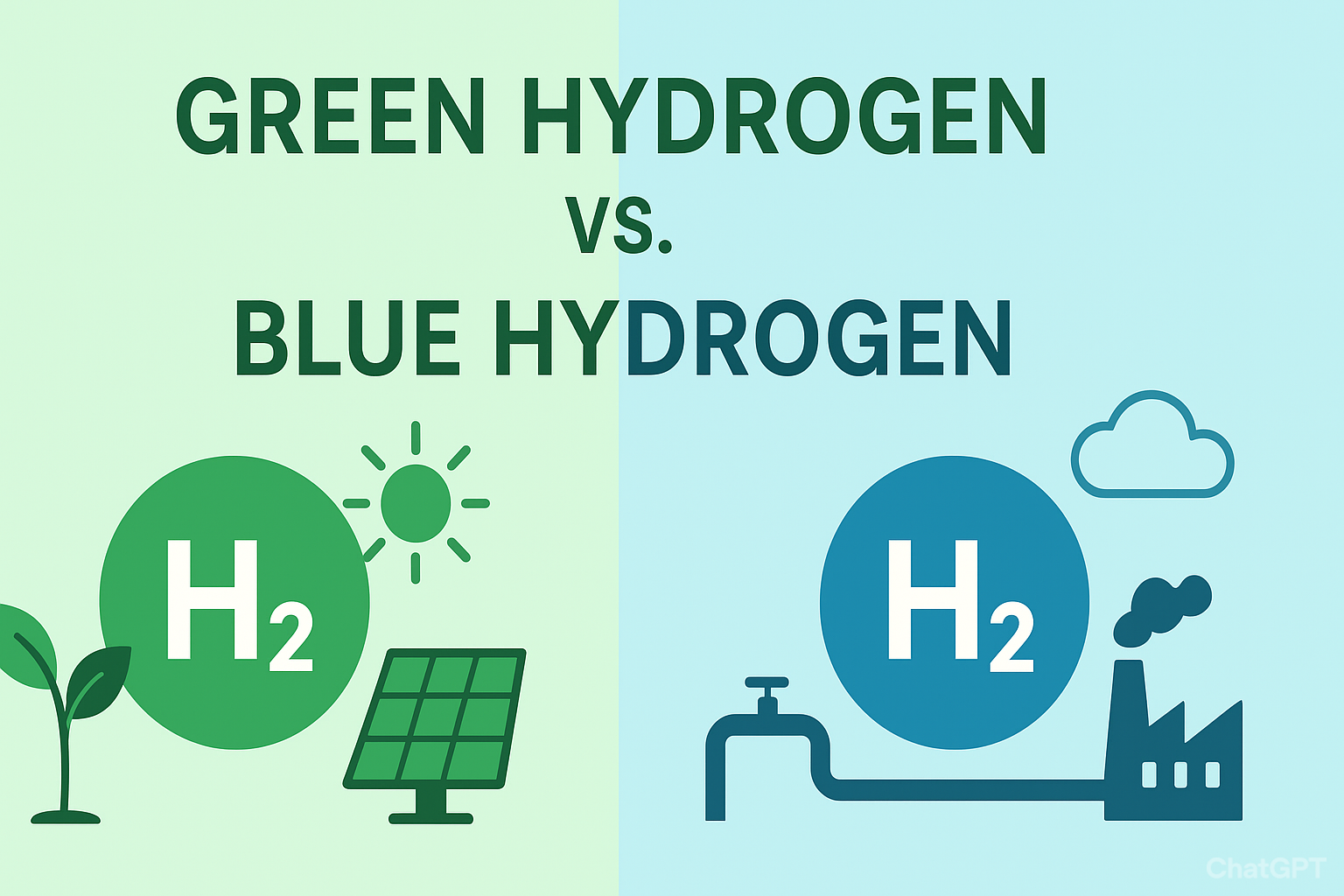
Hydrogen is emerging as a cornerstone of the clean energy transition, but not all hydrogen is created equal. Two of the most discussed forms — Green Hydrogen and Blue Hydrogen — represent distinct pathways toward decarbonization. Both aim to reduce reliance on fossil fuels, but they differ in production methods, costs, carbon footprint, and scalability.…
Powering Tomorrow: How Hydrogen–Biogas Hybrids Are Redefining Industrial Sustainability
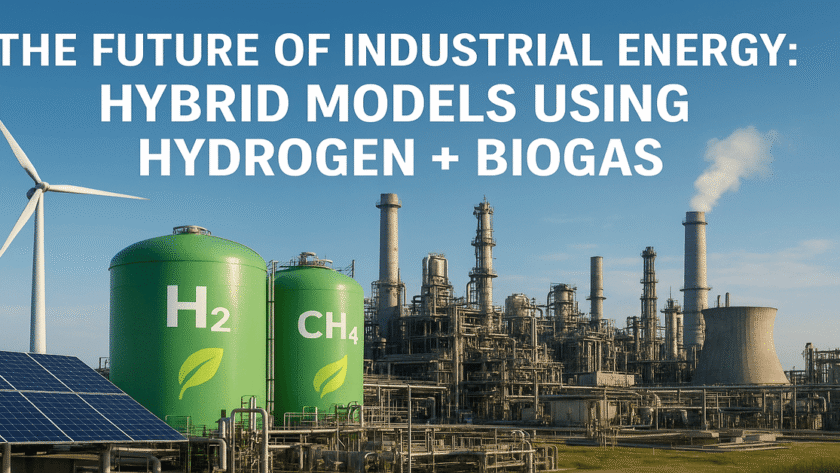
As industries transition toward net-zero targets, energy diversification has emerged as a key enabler of sustainable growth. While hydrogen is hailed as the clean fuel of the future, and biogas as a renewable resource with circular economy benefits, their true potential lies in hybrid energy models…